Last updated: 21 August 2026.
“Digital marketing” gets discussed as though it were one activity practised by one kind of company. It is not. A dentist, a fashion retailer, a newspaper and a charity all use digital marketing, and almost nothing about how they use it is the same.
This is a look at who actually uses it, what each type of organisation does differently, and what you can borrow from sectors other than your own.
1. Service businesses
Plumbers, dentists, law firms, accountants, salons, repair services, consultants: anyone selling expertise or labour rather than a product.
For most of these, the highest-return channel is not the fashionable one. It is local search.
When someone searches for a service near them, the map results appear above the ordinary listings. Those results are drawn largely from Google Business Profile, the free listing formerly called Google My Business, renamed in 2021, though the old name persists in a great deal of outdated advice.
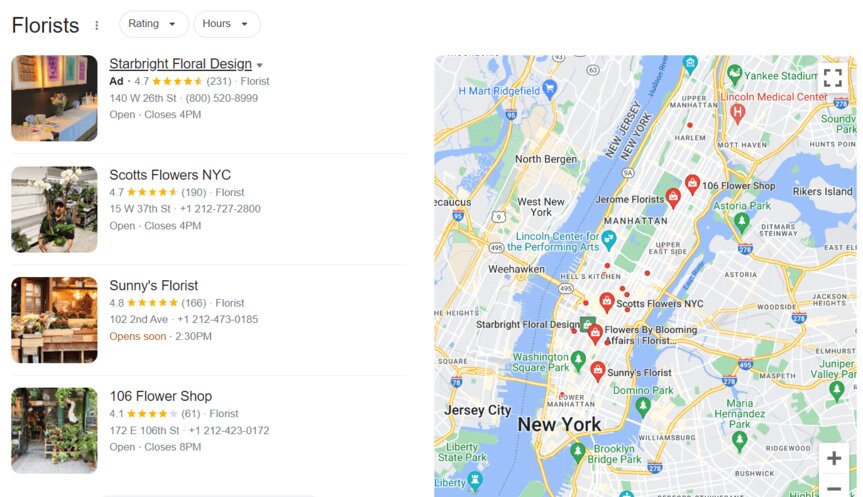
What matters for these businesses, roughly in order: a complete and accurate Business Profile, a steady flow of genuine reviews, current photographs, and a website that loads quickly on a phone. Paid search works well on top of that, because someone searching “emergency plumber” is about as close to buying as a customer ever gets.
The common mistake is investing in social media content while the Business Profile sits half-completed with three-year-old photos.
2. Ecommerce and product sellers
Brands selling direct, retailers, marketplace sellers and dropshippers.
This sector is the most measurement-driven, because the entire journey from advertisement to purchase happens in one place and can be tracked end to end. That produces a distinctive style of marketing: heavy testing, rapid creative iteration, and close attention to cost per acquisition.
Typical channel mix: paid social for discovery, shopping and search ads for people already looking, SEO for category and comparison pages, and email for repeat purchases, which is where the actual profit usually sits, since acquiring a customer generally costs more than the first order earns.
The main store platforms remain Shopify, WooCommerce, Wix, Magento and BigCommerce. Shopify and WooCommerce dominate for most small and mid-sized sellers.
3. News organisations and publishers
It surprises people that news outlets buy advertising, but they compete for attention like everyone else — and increasingly for subscriptions rather than pageviews.
Publishers were among the first to feel the effects of AI-generated search results, for an obvious reason. If a search engine summarises the news on the results page, the click that funded the reporting never happens.
The strategic response across the industry has been to reduce dependence on search traffic by pushing newsletters, apps, podcasts and direct subscriptions. That shift is worth watching regardless of your sector, because publishers hit this problem first and everyone else is arriving at it now.
4. Bloggers and creators
Independent writers, YouTubers, podcasters, newsletter authors and niche site owners.
Mostly organic by necessity, since there is rarely a media budget. SEO, social, and increasingly email, which for creators is less a marketing channel than the business itself, because it is the only audience nobody can take away.
Larger publications do buy traffic; plenty of well-known technology sites run search ads. But the defining characteristic of this group is that content is the marketing, rather than supporting it.
If this is the category you are considering entering, our post on reasons to start a blog covers what it involves.
5. Nonprofits and NGOs
Digital marketing is not only for selling. Charities and advocacy organisations use it for fundraising, awareness campaigns, volunteer recruitment and reaching communities that traditional outreach misses.
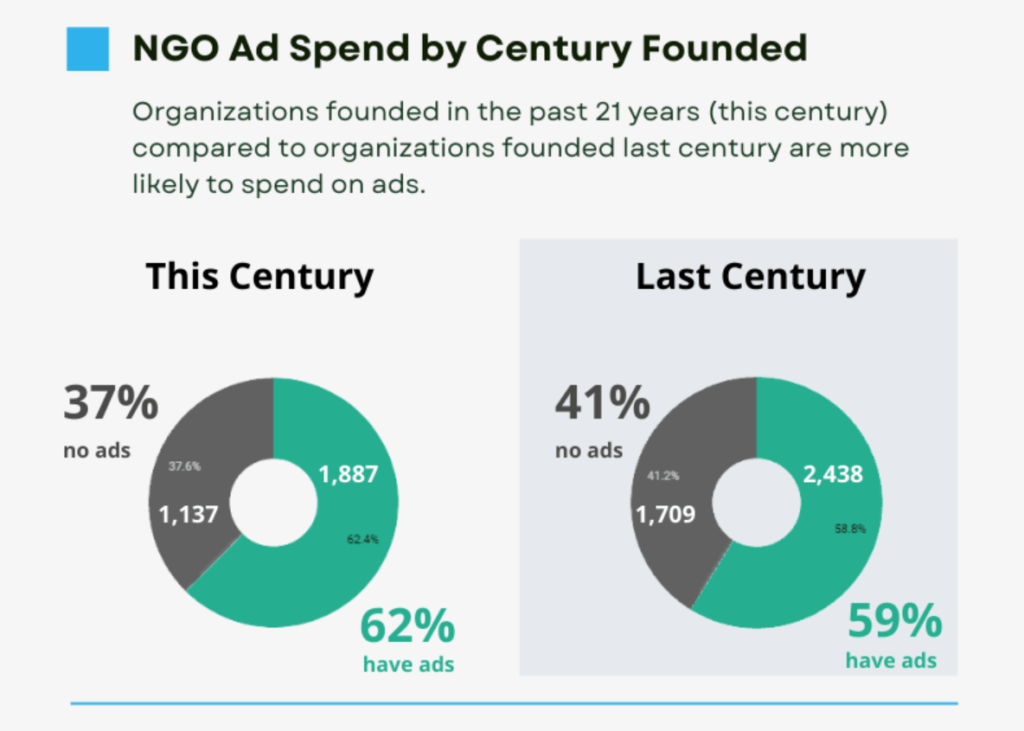
One resource specific to this sector and consistently underused: the Google Ad Grants programme provides eligible nonprofits with a monthly allowance of free search advertising. It comes with restrictions on how it can be spent, but for an organisation with no media budget it is a substantial asset that many never claim.
6. B2B and professional services
Software companies, agencies, manufacturers and consultancies selling to other businesses.
The distinguishing feature is the sales cycle. A business software purchase might involve six people over four months, which makes single-touch attribution nearly meaningless and rewards patience over immediacy.
Typical mix: substantial content and SEO investment, LinkedIn advertising, email nurture sequences, webinars and case studies. Volume matters far less here than reaching the right few hundred people.
7. Education
Universities, schools, training providers and online course creators.
A seasonal, high-consideration category — decisions are expensive, infrequent, and made over months of research. That makes content marketing unusually effective, since prospective students spend a long time looking before applying.
8. Governments and public bodies
Rarely discussed, and significant in scale. Public health campaigns, census participation, tax deadlines, voter registration, emergency communication.
The objective is reach and comprehension rather than conversion, which produces a distinctive approach: heavy emphasis on accessibility, multiple languages, and channels that reach populations with limited connectivity.
What the patterns tell you
Three things worth taking away.
Intent determines the channel. If people actively search for what you offer, search marketing should be your priority. If they do not know they need it, you need to interrupt them somewhere — social, video, display. Most channel mistakes come from ignoring this distinction.
Sales cycle length determines the approach. Short cycles reward direct response and rapid testing. Long cycles reward content, nurture and patience. Running B2B marketing on ecommerce logic fails reliably.
Everyone is now reducing platform dependence. Publishers first, then everyone else. Whatever your sector, the organisations navigating the shift toward AI-answered search best are the ones that built direct relationships, such as email lists, apps and communities, before they needed them.
For a breakdown of the individual channels themselves, see our guide to the types of digital marketing.
Common questions
Who uses digital marketing?
Almost every kind of organisation, including local service businesses, ecommerce retailers, news publishers, independent creators, nonprofits, B2B companies, educational institutions and government bodies. What differs is which channels each relies on and why.
Which industry benefits most from digital marketing?
There is no single answer, but businesses whose customers actively search for them tend to see the clearest returns. Local service businesses in particular often get disproportionate results from a well-maintained Google Business Profile alone.
Do nonprofits use digital marketing?
Yes, for fundraising, awareness campaigns and volunteer recruitment. The Google Ad Grants programme also provides eligible nonprofits with a monthly allowance of free search advertising, which many never claim.
How does B2B digital marketing differ from B2C?
Mainly through sales cycle length. A business purchase may involve several decision-makers over months, which makes single-touch attribution unreliable and rewards content, nurture and patience over immediate response tactics.

Tabraiz Bukhari is a Digital Marketing Expert & Psychologist. He has experience in different areas of digital marketing from SEO and Google Adwords to Social Media Marketing and Ecommerce Management. He writes about his expertise and knowledge in digital marketing and sometimes about Psychology related topics. Currently, he is doing a job as an SEO Specialist/Team Leader at NewEraOS.